When people think of safari season, summer often comes to mind. Yet seasoned travellers and wildlife enthusiasts know that winter is one of the best times to experience the Kruger region.
From exceptional game viewing opportunities to comfortable daytime temperatures and clear skies, the cooler months offer a different side of the bush. If you’re planning a winter getaway to the Kruger National Park, knowing what to expect can help you make the most of every game drive and wildlife encounter.
Here’s everything you need to know before setting off on a winter safari adventure.
Why Visit Kruger During Winter?
Winter in the Kruger region typically runs from May to August and is considered the dry season. While temperatures are cooler, especially in the early mornings and evenings, the conditions are ideal for wildlife viewing.
One of the biggest advantages of visiting during winter is the reduced vegetation. As grasses become shorter and trees lose some of their foliage, animals are easier to spot from the road. Wildlife also tends to gather around rivers, dams, and waterholes, increasing your chances of memorable sightings.
Winter also brings crisp mornings, sunny days, and very little rainfall, making it a comfortable season for spending long hours exploring the park.
For travellers looking to maximise their safari experience, winter offers some of the best game viewing conditions of the year.

What the Weather Is Like During Winter
Winter weather in the Kruger region can surprise first-time visitors.
Early mornings before sunrise are often cold, particularly during open-vehicle game drives. Temperatures can drop to between 5°C and 10°C, and the wind chill can make it feel even cooler.
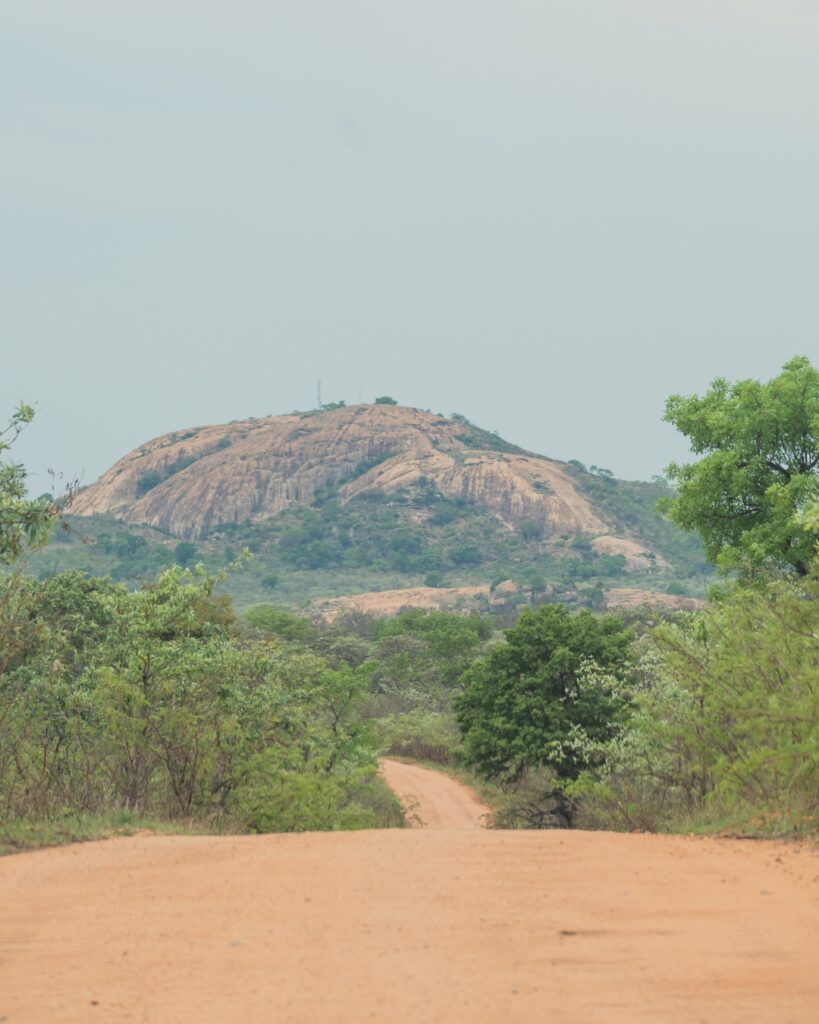
As the day progresses, temperatures usually climb into the low to mid-20s, creating pleasant conditions for exploring. Most winter days are dry, sunny, and clear, with blue skies stretching across the Lowveld landscape.
This combination of cool mornings and warm afternoons means visitors should be prepared for changing temperatures throughout the day.
Why Winter Is One of the Best Times for Game Viewing
The dry season creates ideal conditions for spotting wildlife.
With fewer water sources available, animals naturally congregate around rivers, dams, and permanent waterholes. This makes game viewing more predictable and often more rewarding.
The thinner bush also improves visibility, allowing visitors to spot animals that might otherwise remain hidden during the greener summer months.
Many experienced safari-goers specifically choose winter because sightings are often more frequent and easier to enjoy, particularly during the early morning hours when wildlife is most active.
Animals You’re More Likely to Spot During Winter
While wildlife sightings can never be guaranteed, winter generally increases your chances of seeing a wide variety of animals.
The Big Five
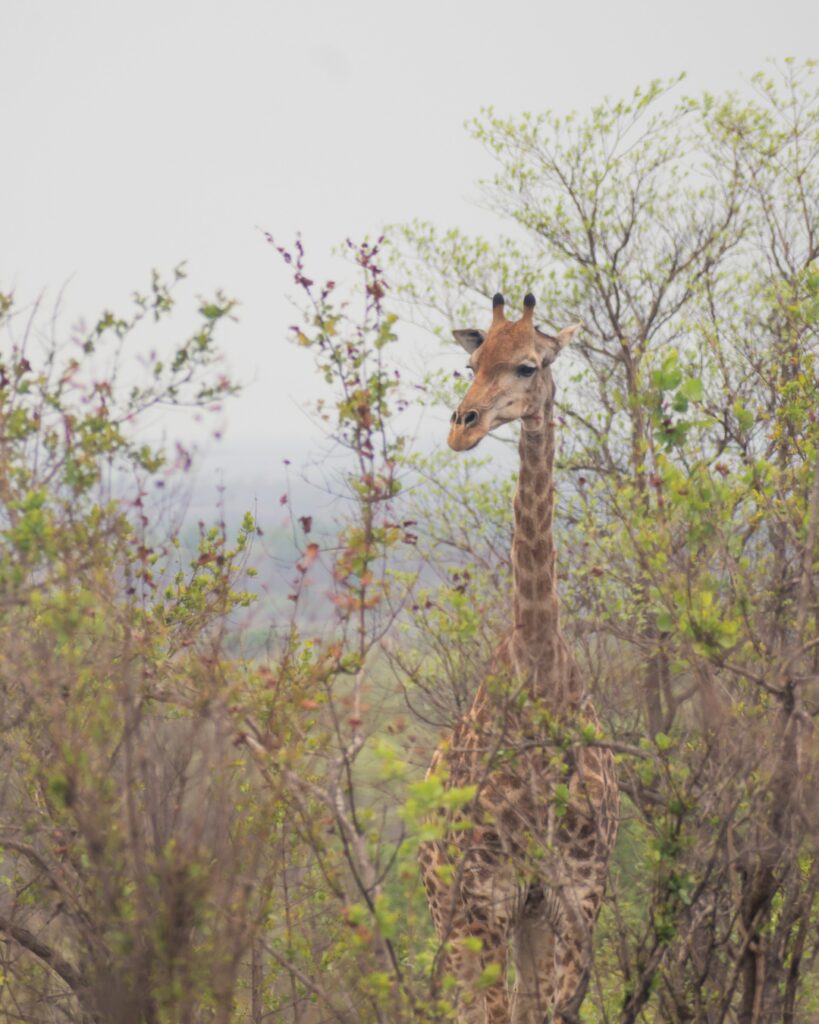
The Kruger National Park is home to the famous Big Five. During winter, these iconic animals are often easier to spot due to reduced vegetation and increased activity around water sources.
Predators
Cooler temperatures encourage movement during the day, making winter an excellent season for predator sightings. Lions can often be seen basking in the morning sun, while leopards may remain active for longer periods than during hotter months.
Elephant Herds
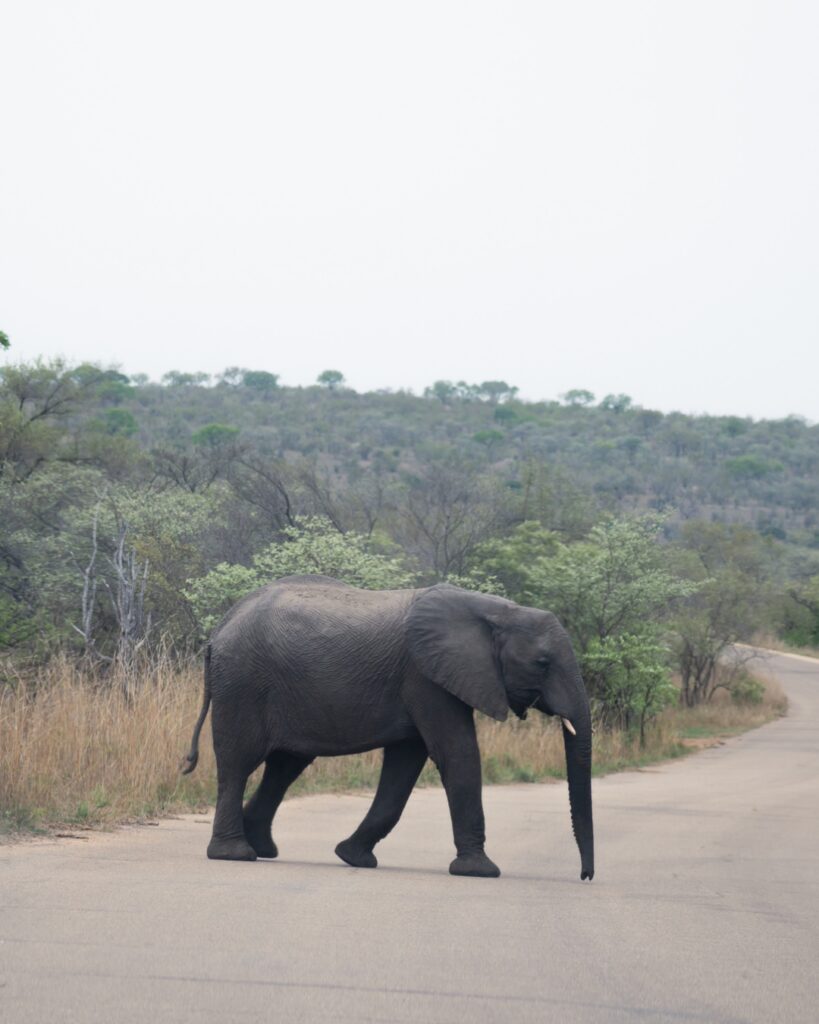
Large elephant herds frequently gather around rivers and waterholes, creating spectacular viewing opportunities.
Birdlife
Although summer is generally considered peak birding season due to migratory species, winter still offers excellent birdwatching. Raptors are particularly active, and many resident bird species remain highly visible throughout the season.
Everything You Need to Prepare for a Winter Safari
Packing correctly can make a significant difference to your comfort during winter game drives.
Clothing Essentials
- Warm jacket or fleece
- Beanie or warm hat
- Lightweight gloves for early drives
- Comfortable walking shoes
- Layered clothing that can be removed as temperatures rise
- Neutral-coloured clothing in shades of green, brown, beige, or khaki
Family-Friendly Winter Safari Tips
Winter can be a fantastic time for families to explore the Kruger region.
Plan Drives Around Children’s Energy Levels
Early morning drives are excellent for wildlife sightings, but very young children may prefer a slightly later start. Consider balancing one early drive with a more relaxed afternoon activity.
Schedule Regular Stops
Long game drives can become tiring for younger travellers. Plan visits to rest camps where children can stretch their legs, enjoy refreshments, and take a break from the vehicle.
Turn Sightings Into a Game
Wildlife checklists, animal-spotting challenges, and photography competitions can help keep children engaged throughout the journey.
Dress for the Temperature Changes
Children often feel the cold more intensely during open-vehicle game drives, so extra layers and blankets are always worthwhile.
Where to Stay Near Kruger
Choosing the right base can make exploring the region far more convenient and enjoyable.
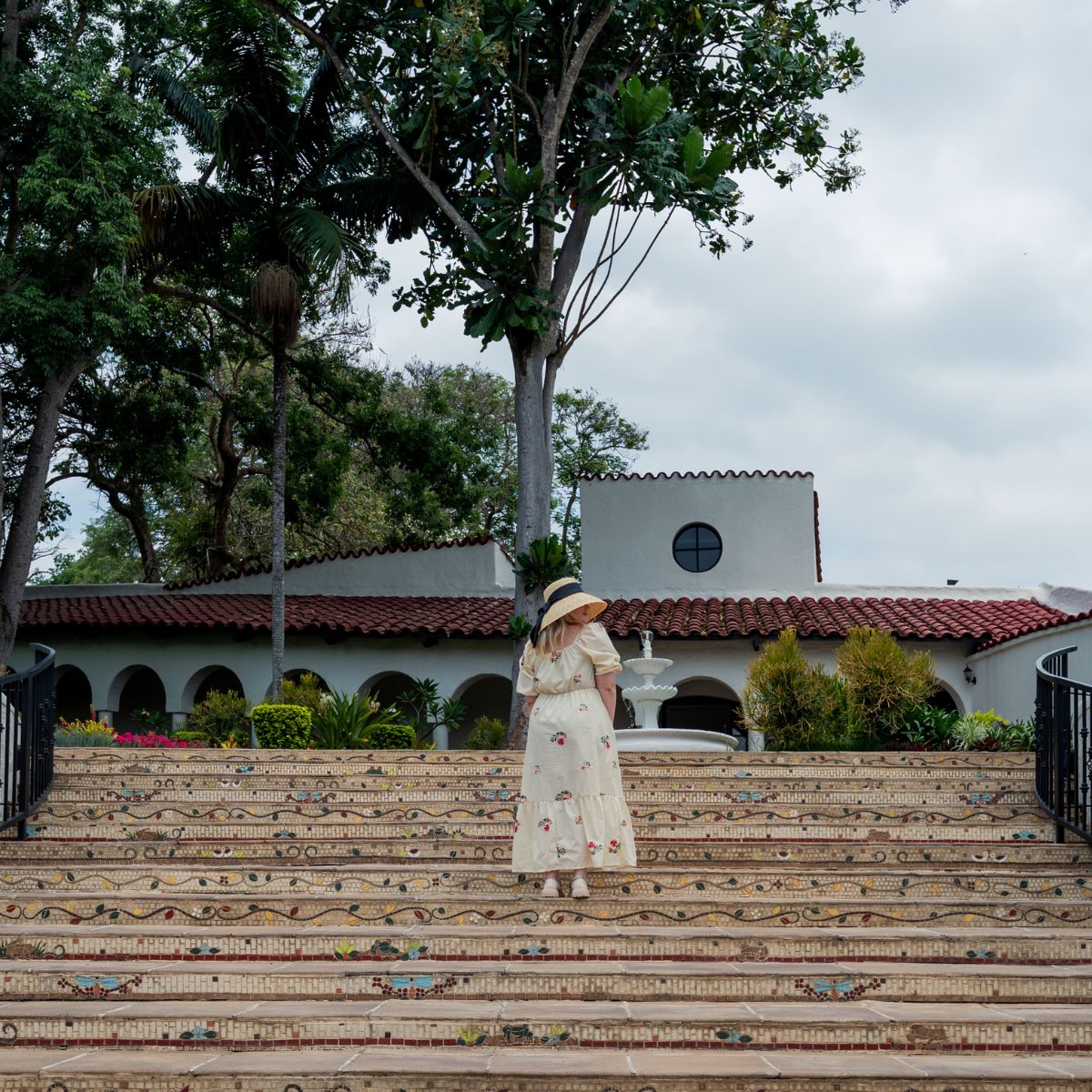
Located in Hazyview, one of the most popular gateway towns to the Kruger National Park, ANEW Resort Hazyview offers travellers easy access to the park loacted 15km* away while providing a comfortable place to relax after a day of adventure.
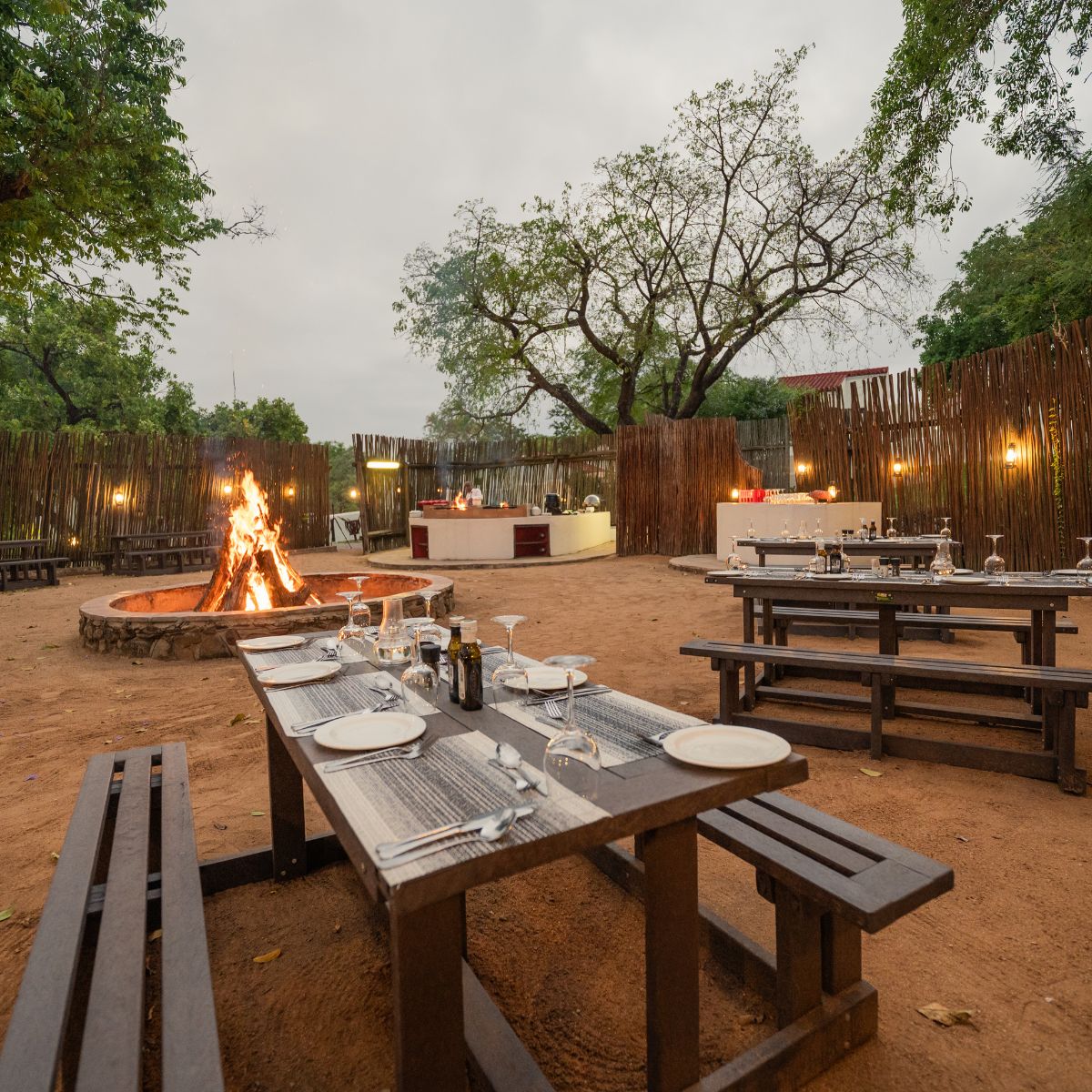
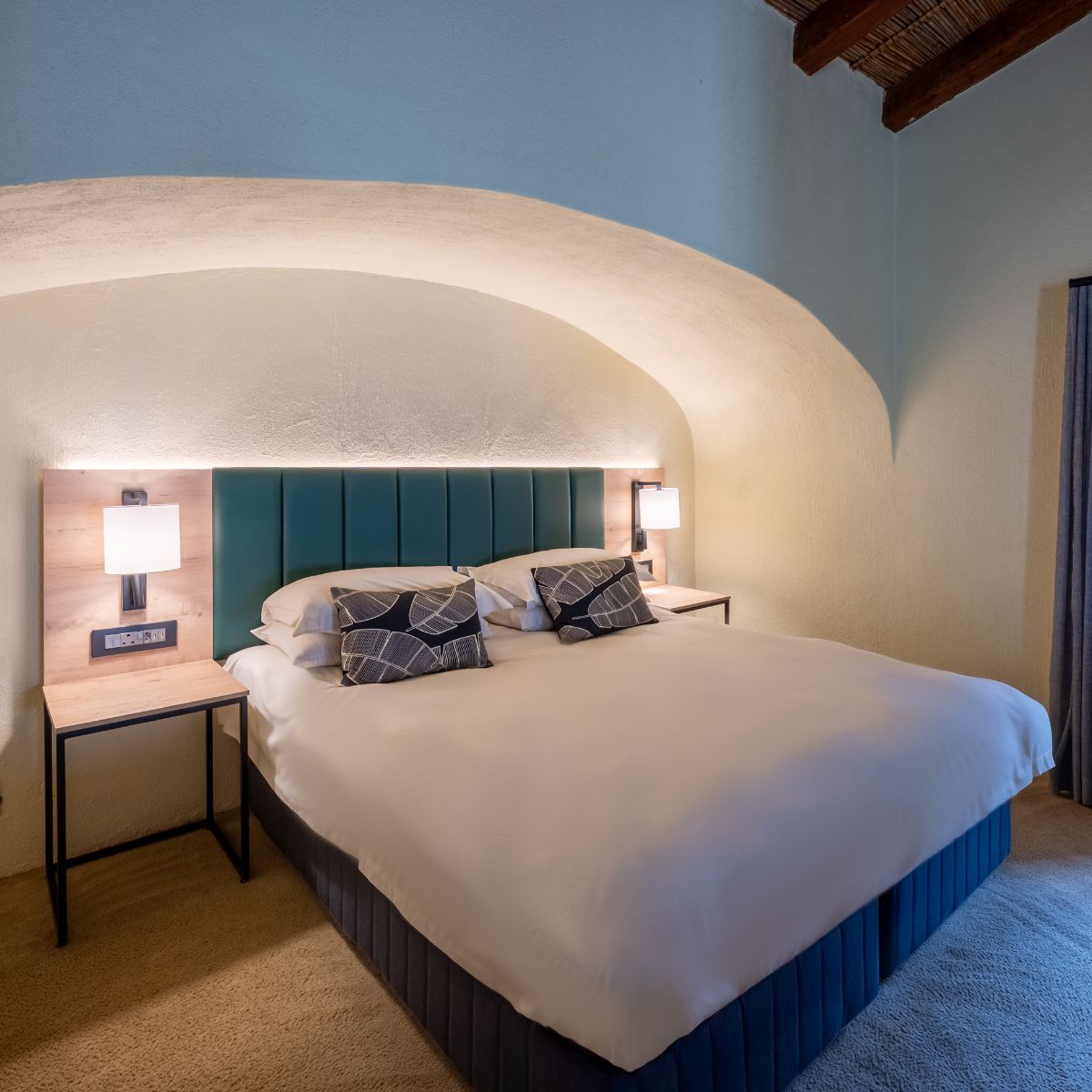
Guests can enjoy spacious accommodation, family-friendly facilities, on-site dining, swimming pools, and beautiful surroundings that capture the relaxed atmosphere of the Lowveld.
Its location makes it an ideal starting point for early morning departures into the park, allowing visitors to maximise their game-viewing opportunities while returning to comfort at the end of the day.