A summer safari in the Kruger National Park is an opportunity to experience the South African bush at its most vibrant. The landscape turns green after the first rains, migratory birds return, and young animals begin appearing across the park. With long, warm days and plenty to explore beyond the game drives, summer is an excellent time to plan a Lowveld getaway.
December is particularly popular with families and holidaymakers, making a little advance planning worthwhile. From choosing the right entrance gate to packing for afternoon thunderstorms, knowing what to expect can help you make the most of your time in the bush.
If you’re planning a Kruger safari this summer, here’s everything you need to know before you go.
Is Summer a Good Time to Visit the Kruger National Park?
Absolutely. While the dry winter months are traditionally favoured for game viewing, summer offers a different kind of safari experience.
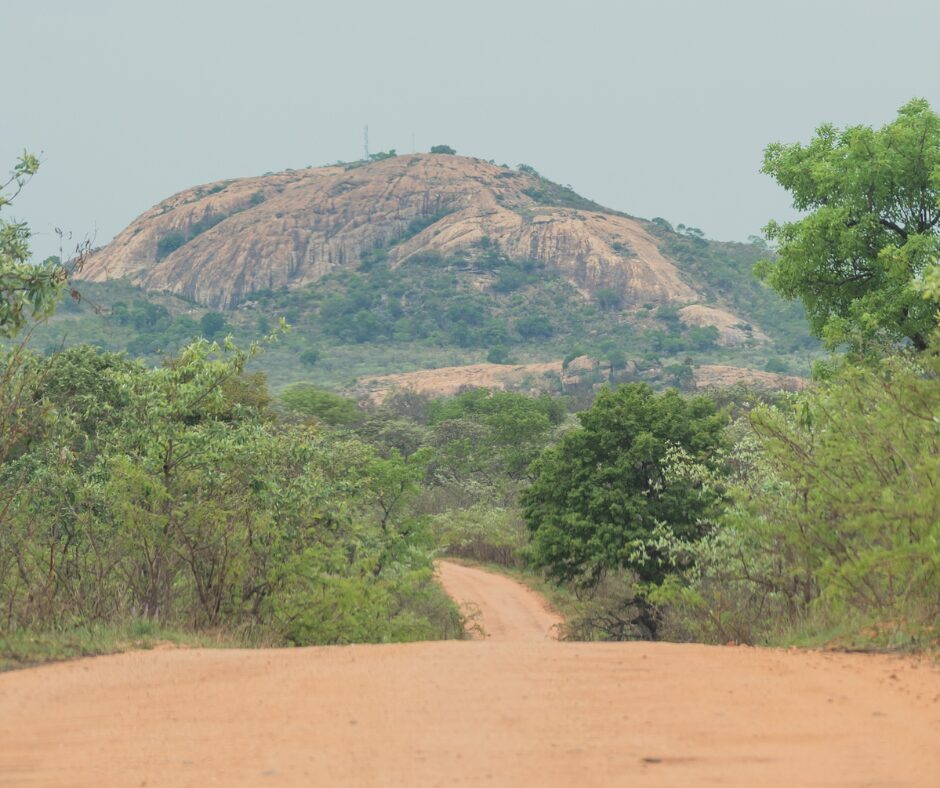
From October to March, the Kruger National Park enters its summer rainfall season. The landscape becomes greener, rivers and waterholes receive fresh water, and the bush comes alive with new growth. The warmer months also bring excellent birdwatching opportunities and the chance to see young animals.
There are a few differences to keep in mind. With more water available across the park and thicker vegetation, animals can be harder to spot than during winter. Afternoon thunderstorms can also affect driving conditions and outdoor plans.
The secret is to plan around the weather. Early morning game drives offer a chance to explore before the day becomes too hot, while afternoons are ideal for a leisurely lunch, a swim or a well-deserved rest before heading out again the following morning.
Summer is particularly appealing to travellers who want to combine wildlife viewing with the beauty of the Lowveld in full bloom. The scenery, birdlife and changing conditions give the park a character all its own.
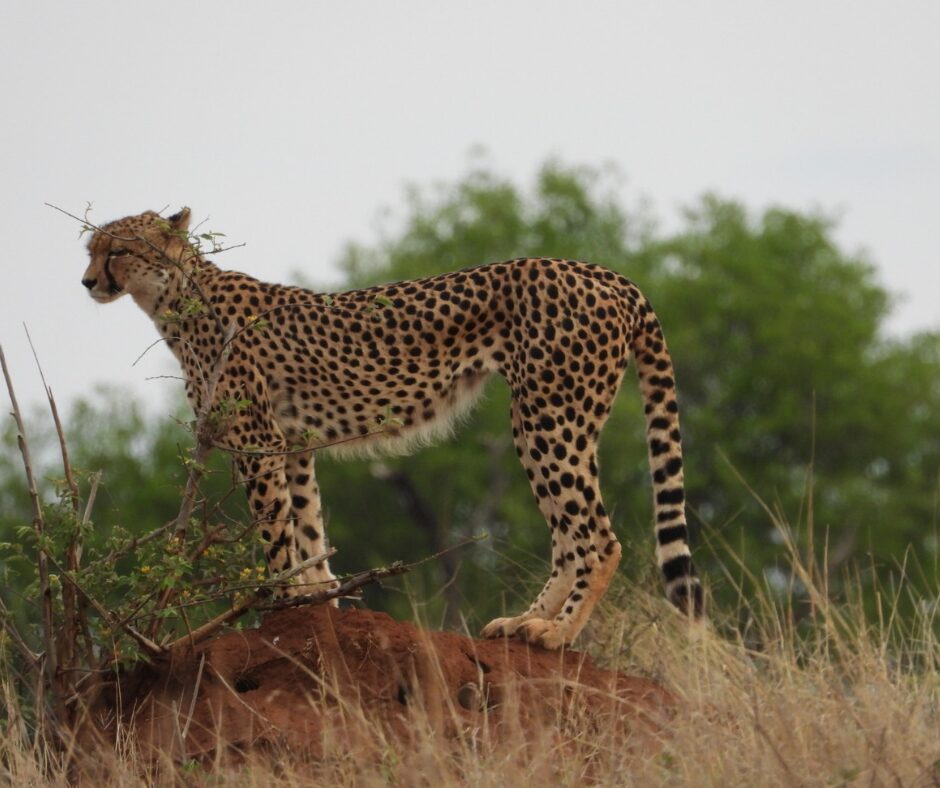
What Animals Can You See on a Summer Safari?
The Kruger National Park is home to an extraordinary variety of wildlife, including the Big Five: lion, leopard, elephant, rhino and buffalo. However, some of the most memorable sightings can be the unexpected ones along the way.
Here’s what to look out for during your visit.
The Big Five
- Lion: Look around open clearings, riverbeds and areas where herbivores gather. Lions are often less active during the heat of the day.
- Leopard: Keep an eye on large trees, rocky outcrops and riverine vegetation. Leopards are elusive, so patience is essential.
- Elephant: Elephants are frequently seen near water sources and along roads through the bush.
- Rhino: Sightings can be unpredictable. Never approach wildlife or leave your vehicle to get a closer look.
- Buffalo: Herds are often found grazing in open areas or moving towards water.
Other wildlife to look out for
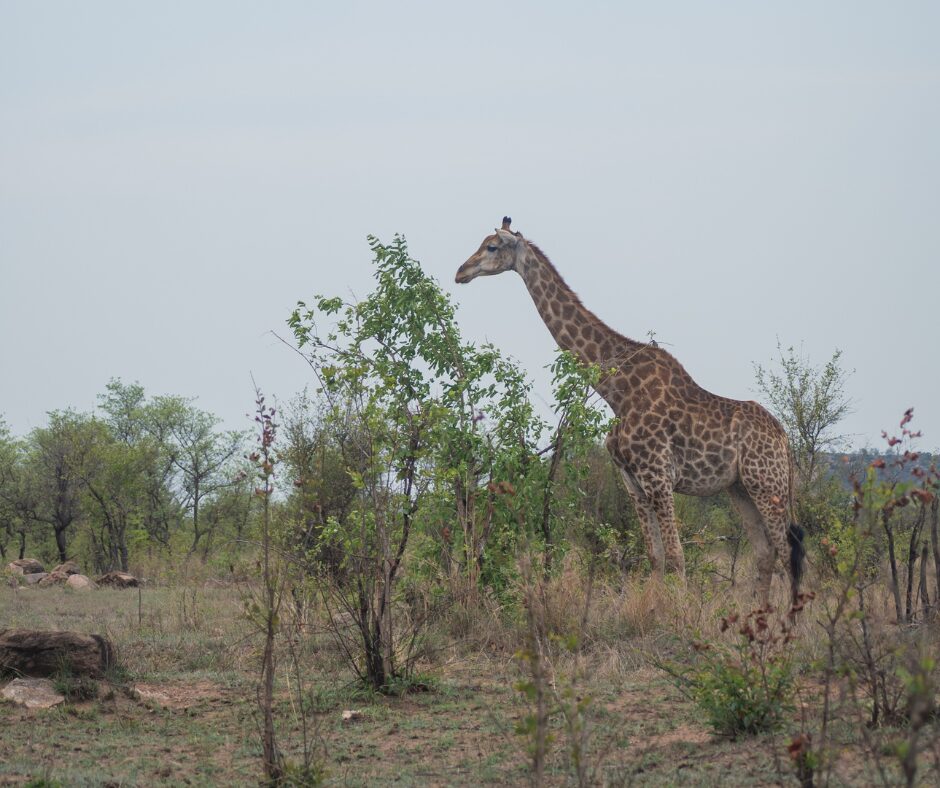
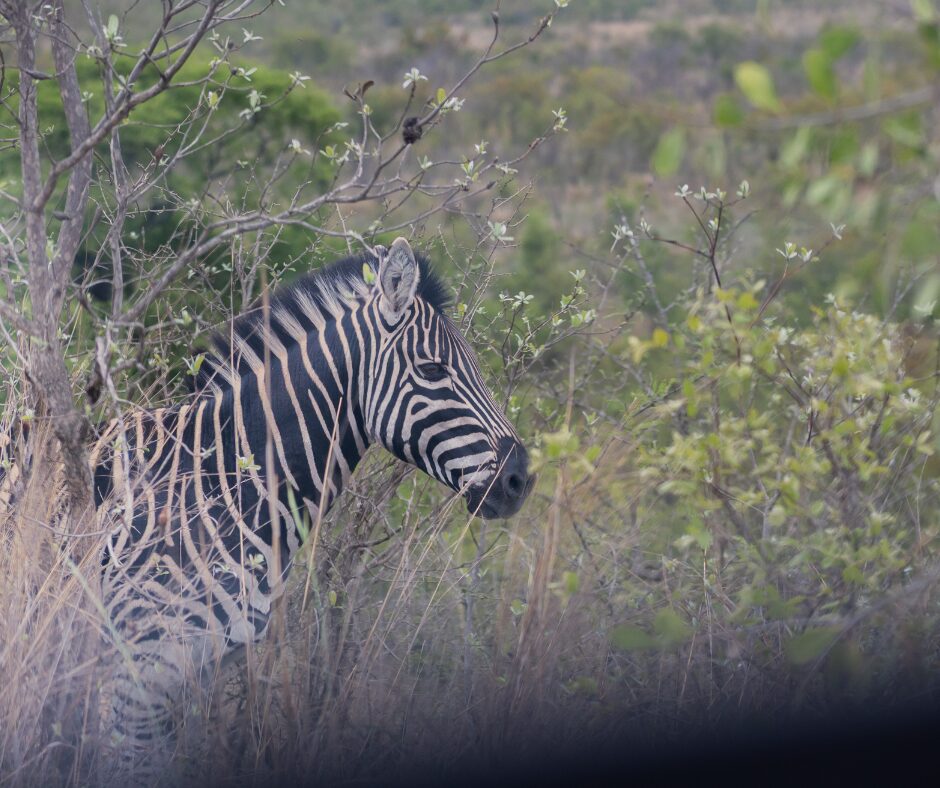
You may also encounter giraffes, zebras, impalas, kudus, hippos, crocodiles, warthogs and a variety of antelope species. Summer is also a rewarding time for birdwatchers, with resident and migratory birds adding colour and movement to the landscape.
One of the pleasures of a safari is that no two drives are the same. You might spend the morning watching elephants cross the road before spotting a martial eagle overhead or a family of warthogs disappearing into the grass.
Wildlife spotting tips for summer
- Start early: Animals can be more active during the cooler hours of the morning.
- Slow down: Driving at a relaxed pace gives you more time to notice movement along the roadside.
- Look beyond the road: Scan tree branches, shaded areas, riverbanks and open clearings.
- Watch the birds: Alarm calls and unusual bird activity can sometimes alert you to nearby wildlife.
- Ask about recent sightings: Check sighting boards at rest camps and speak to experienced guides for local insights.
- Be patient: A quiet stretch of road can change in an instant. Give yourself time to observe rather than rushing between sightings.
What Is the Weather Like in Kruger in December?
December falls in the Kruger National Park’s hot, rainy summer season. Expect warm to hot days, humid conditions and the possibility of heavy afternoon thunderstorms.
Rainfall varies from day to day, so it’s worth checking the forecast before setting out. A clear morning can develop into a storm later in the afternoon, and wet roads may require extra caution.
The summer weather also creates some of the park’s most beautiful scenery. Fresh green grass, flowering plants and dramatic cloud formations make the landscape particularly photogenic.
For a comfortable safari, keep these tips in mind:
- Plan game drives for the cooler parts of the day.
- Carry drinking water and apply sunscreen regularly.
- Keep a lightweight rain jacket in the car.
- Allow extra time when travelling on wet or unfamiliar roads.
- Avoid driving through flooded roads or crossing flowing water.
- Keep flexible plans in case a thunderstorm interrupts outdoor activities.
If photography is a priority, early mornings can offer beautiful light and cooler conditions. Cloudy skies can also create dramatic backdrops for wildlife and landscape photographs.
Which Kruger National Park Gate Should You Use?
Choosing the right entrance gate can save you valuable driving time. The best option depends on where you’re staying and which section of the park you want to explore.
For travellers staying in and around Hazyview or White River, the following gates are useful starting points.
Phabeni Gate
Phabeni Gate is a convenient option for visitors staying in Hazyview. It provides access to the southern and central parts of the park, depending on your chosen route. It’s worth considering if you’re planning a day trip and want to keep the drive to the entrance manageable.
Numbi Gate
Numbi Gate is another access point to consider from the Hazyview and White River area. Your route and journey time will depend on your accommodation, road conditions and the part of the park you intend to explore.
Paul Kruger Gate
Paul Kruger Gate provides access near Skukuza, one of Kruger’s main rest camps. It can be a useful option for visitors planning to explore the central and southern areas of the park.
The most suitable gate ultimately depends on your day’s game-viewing plans. Check the official SANParks map, current road conditions and gate operating hours before departing, as entry and exit times vary seasonally.
Your Kruger Safari Packing Checklist
A little preparation can make a big difference, particularly when you’re spending several hours in the park.
Use this checklist before leaving your accommodation.
Safari essentials
- Booking confirmation and entry details.
- Identification documents.
- Mobile phone and charging cable.
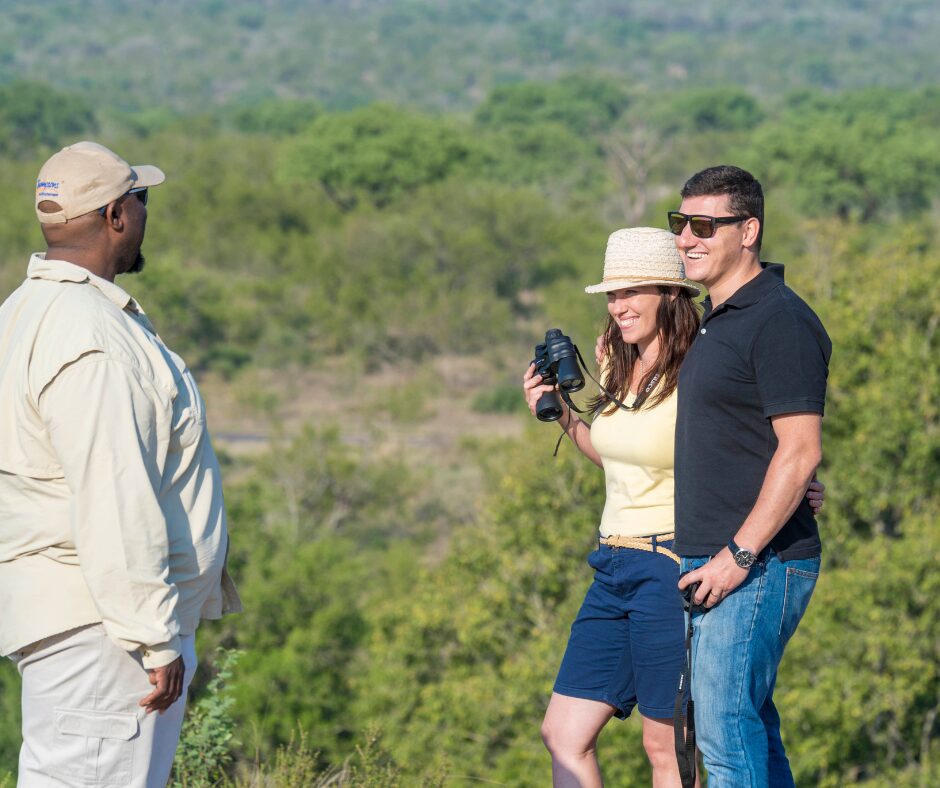
- Binoculars.
- Camera and spare batteries.
- Downloaded map or navigation details.
Sun and weather protection
- Sunscreen.
- Sunglasses.
- Hat or cap.
- Lightweight rain jacket.
- Insect repellent.
- Reusable water bottle.
Food and comfort
- Snacks and drinking water.
- Comfortable clothing and shoes.
- Wet wipes or tissues.
- Small day bag.
- Any personal medication you need.
For families
- Children’s hats and sunscreen.
- Extra water and age-appropriate snacks.
- Spare clothing.
- Binoculars suitable for children.
- Books, games or quiet activities for the journey.
Check the park’s current rules before packing food, equipment or other items that may be restricted. If you’re driving your own vehicle, make sure it’s in good condition and that you have enough fuel for your planned route.
Are Kruger Safaris Suitable for Children?
Yes. A Kruger safari can be a memorable family holiday, giving children the chance to see wildlife in its natural environment and learn about conservation.
The key is to plan a day that suits their ages, interests and attention spans. Younger children may enjoy shorter drives with regular stops at designated rest camps and picnic sites. Older children might appreciate keeping a wildlife checklist, using binoculars or photographing the animals they spot.
A few ways to make the experience more enjoyable include:
- Choose a manageable driving route rather than spending the entire day in the car.
- Bring snacks, water and sun protection.
- Turn sightings into a game by identifying birds, antelope and other animals.
- Take breaks at designated facilities.
- Explain the importance of staying inside the vehicle and keeping noise to a minimum.
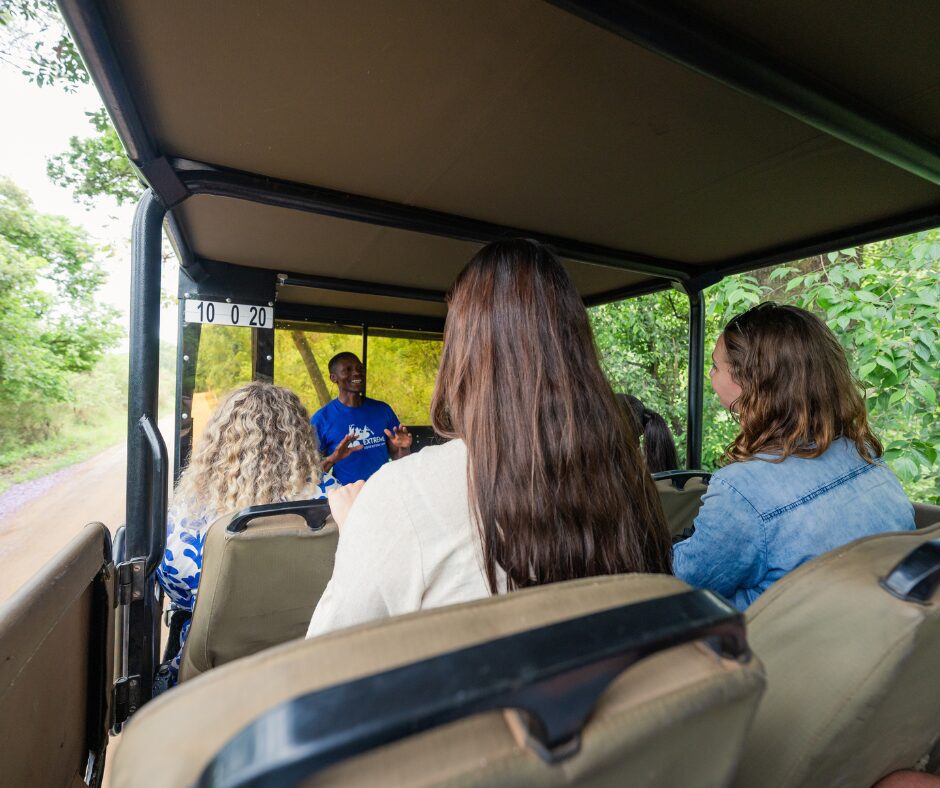
If you’re considering a guided game drive, confirm the operator’s minimum age requirements and child-safety arrangements before booking. Requirements can vary, and some activities may not be suitable for very young children.
Always follow park regulations, keep children supervised and never allow them to approach or feed wildlife.
What Can You Do Near Kruger Besides a Safari?
One of the advantages of staying in the Lowveld is that your holiday doesn’t have to revolve entirely around game drives. The surrounding region offers scenic drives, waterfalls, forest landscapes and small towns worth exploring.
Explore the Panorama Route
The Panorama Route is a popular choice for visitors looking to experience Mpumalanga’s dramatic scenery. Depending on your itinerary, highlights include God’s Window, the Blyde River Canyon viewpoints, Bourke’s Luck Potholes and the Three Rondavels. Allow sufficient time for driving between stops, and check access and weather conditions before setting out.
Visit Sabie and its waterfalls
The Sabie area is known for its forest scenery and waterfalls. It offers a refreshing change of pace from the open bushveld and can be a rewarding addition to a longer Lowveld stay.
Discover Hazyview
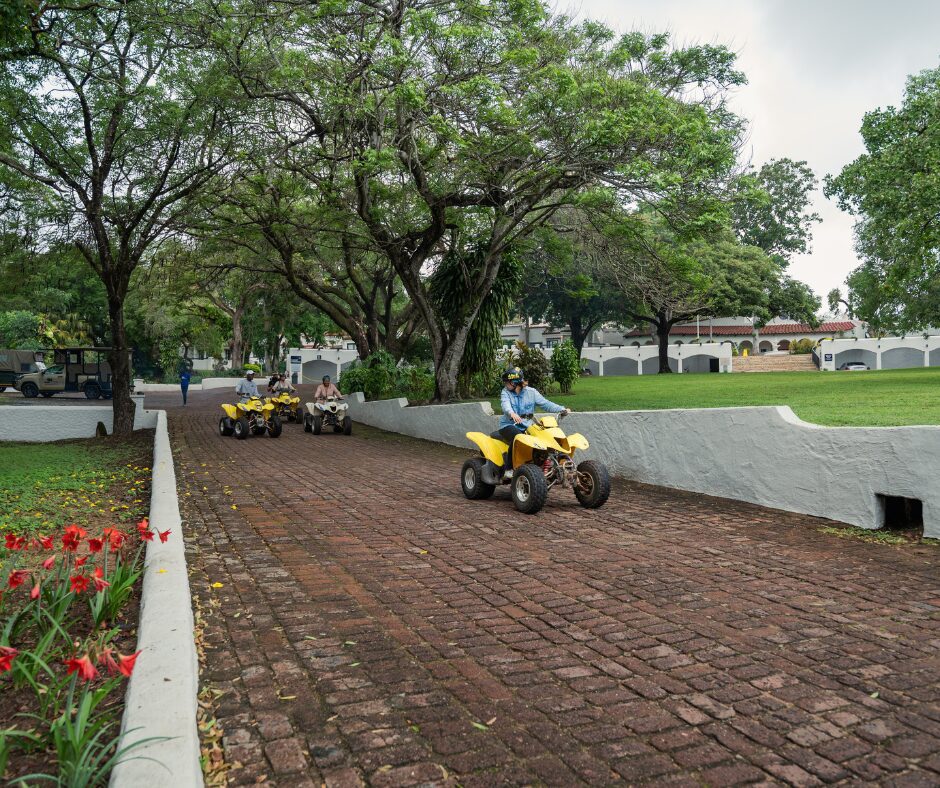
Hazyview is a convenient base for exploring the region, with access to safari routes and a range of outdoor activities. Depending on your interests, you can look into guided nature experiences, adventure activities and local attractions.
Slow down in White River
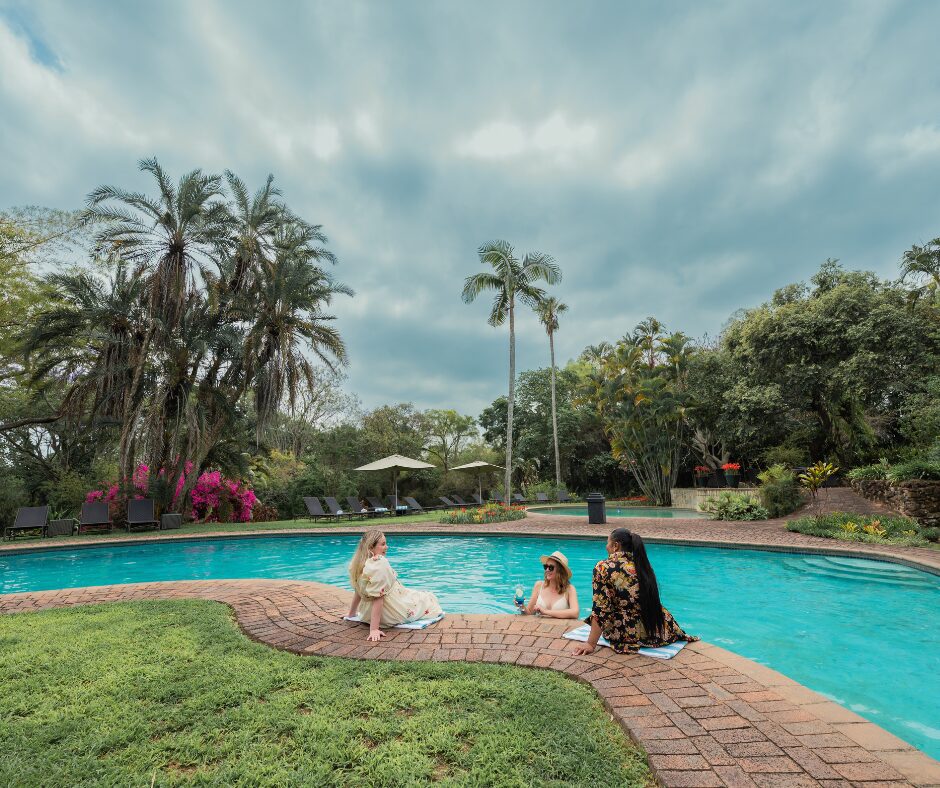
White River offers a quieter country-town atmosphere, with landscaped gardens, local restaurants and access to the wider Lowveld. It’s a good option for travellers who want to balance sightseeing with time to relax.
The best approach is to leave room in your itinerary for both adventure and downtime. A morning safari followed by an afternoon exploring the surrounding region can make for a varied and rewarding holiday.
Where Should You Stay for a Kruger Safari?
Your choice of accommodation can shape your entire safari experience. Consider how often you want to visit the park, which entrance gates suit your plans and how you’d like to spend your time outside game drives.
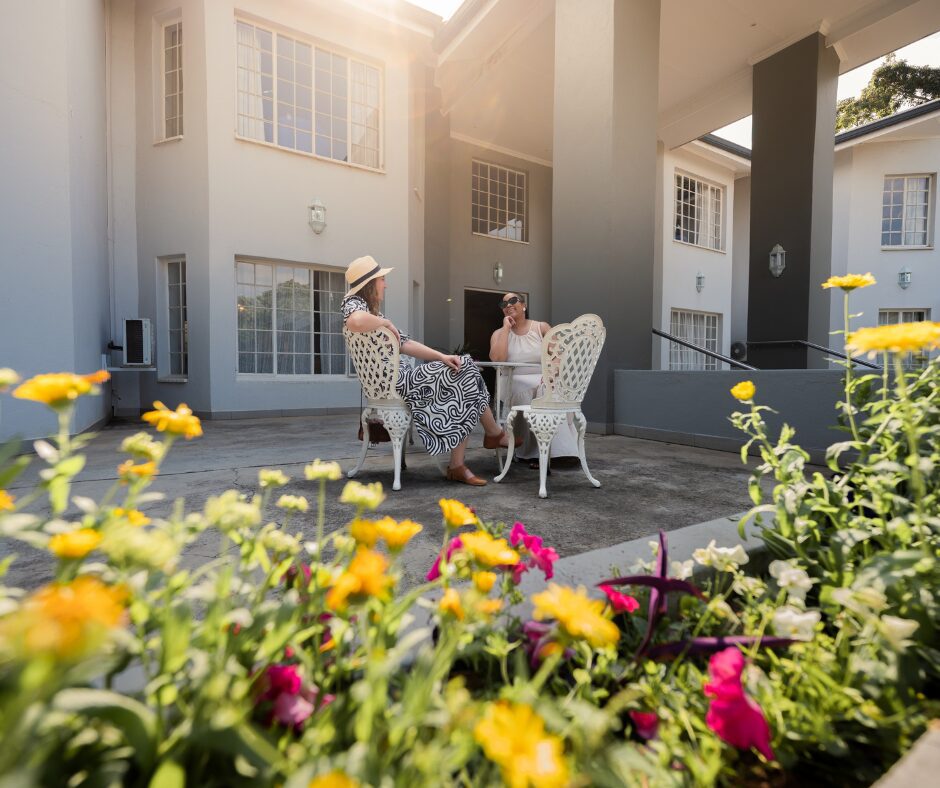
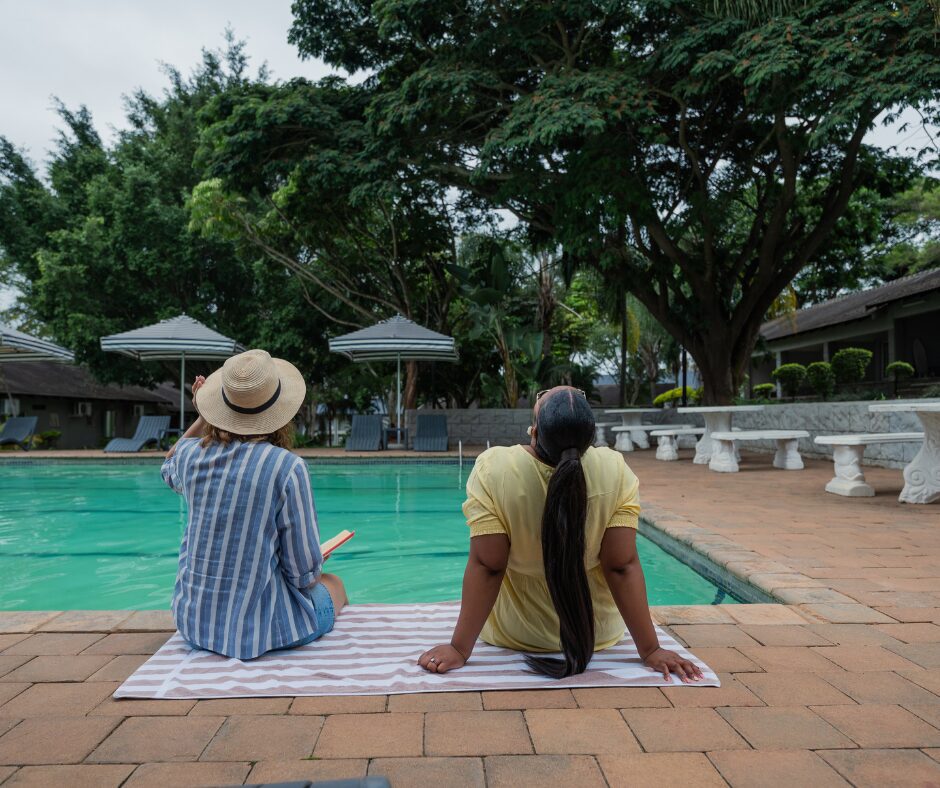
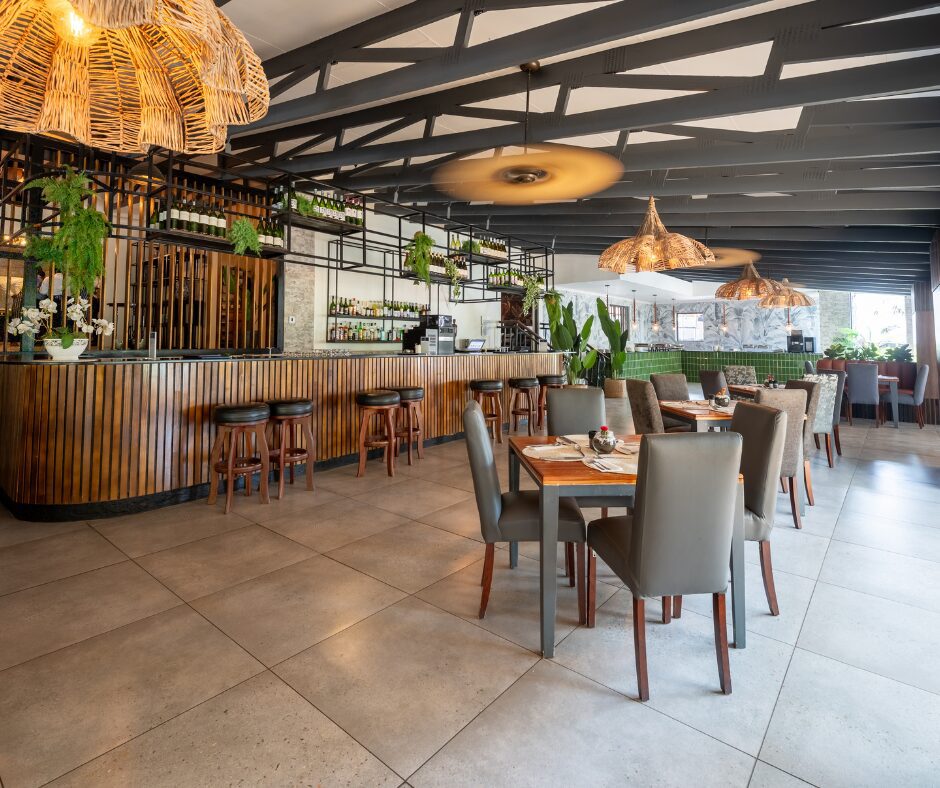
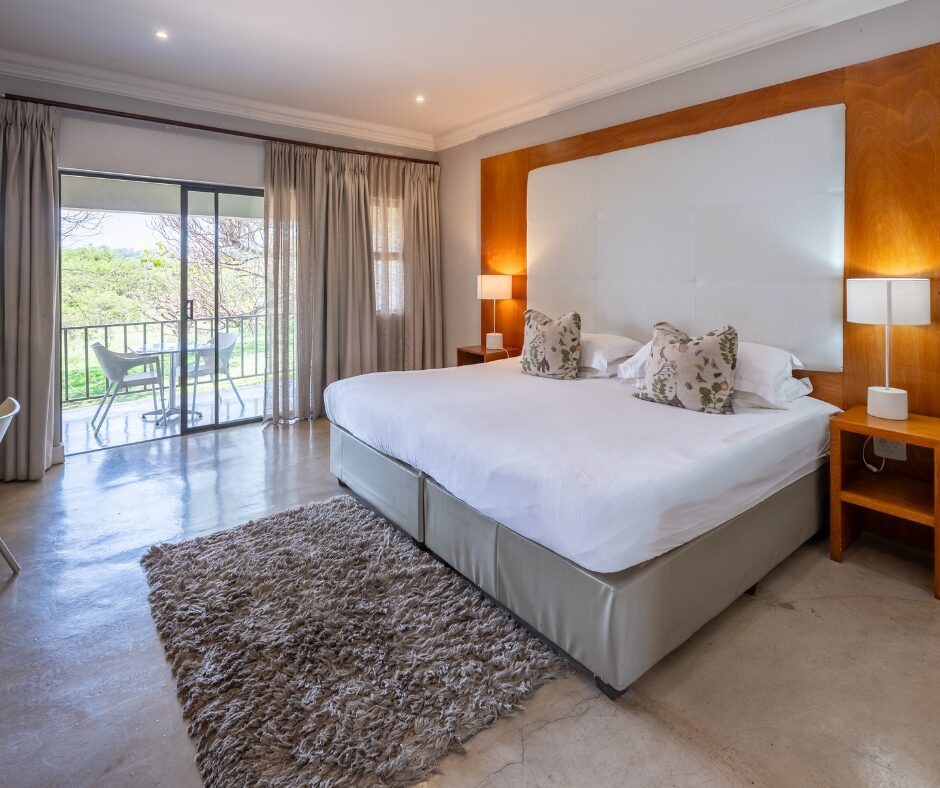
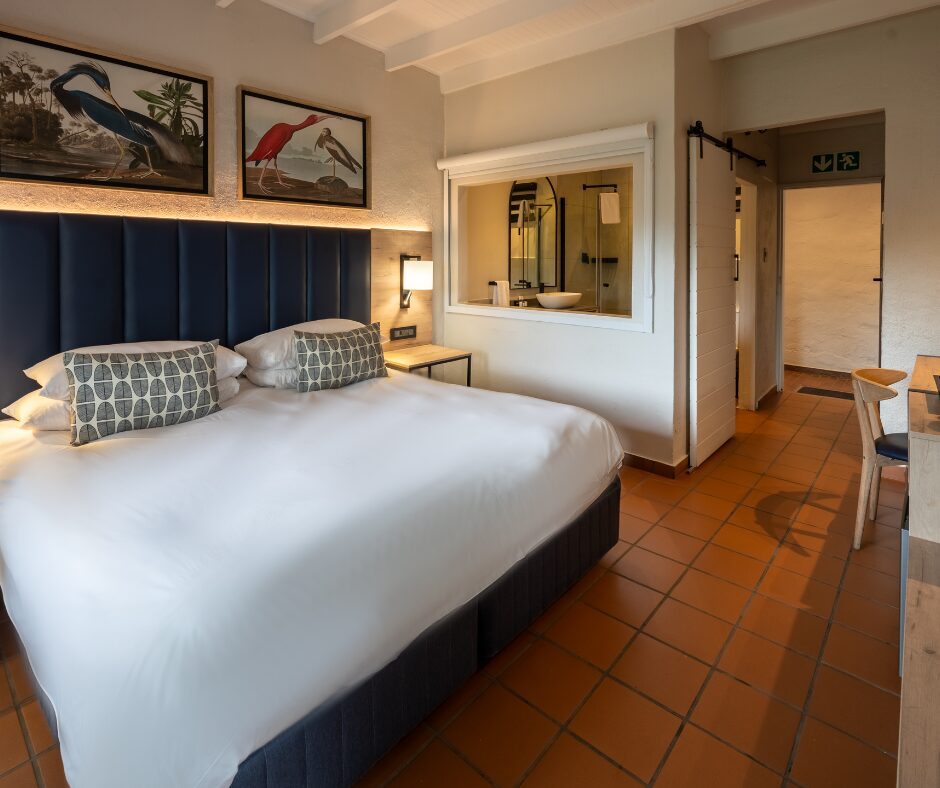
For travellers who want to explore the Kruger National Park while enjoying the wider Lowveld, ANEW Resort Hazyview and ANEW Resort White River offer two accommodation options to consider.
ANEW Resort Hazyview
If you’re planning to make game drives the focus of your trip, ANEW Resort Hazyview is a practical base to consider. Its location in Hazyview places you in a well-established gateway town for visits to the Kruger National Park, making it a natural starting point for planning your safari days.
You can spend your mornings exploring the park, then return to the resort to unwind before planning the next day’s adventure. Hazyview also makes it possible to combine wildlife viewing with other attractions in the surrounding area.
For couples, families and travellers planning a dedicated safari getaway, staying in Hazyview can help keep the Kruger experience at the centre of the itinerary.

ANEW Resort White River
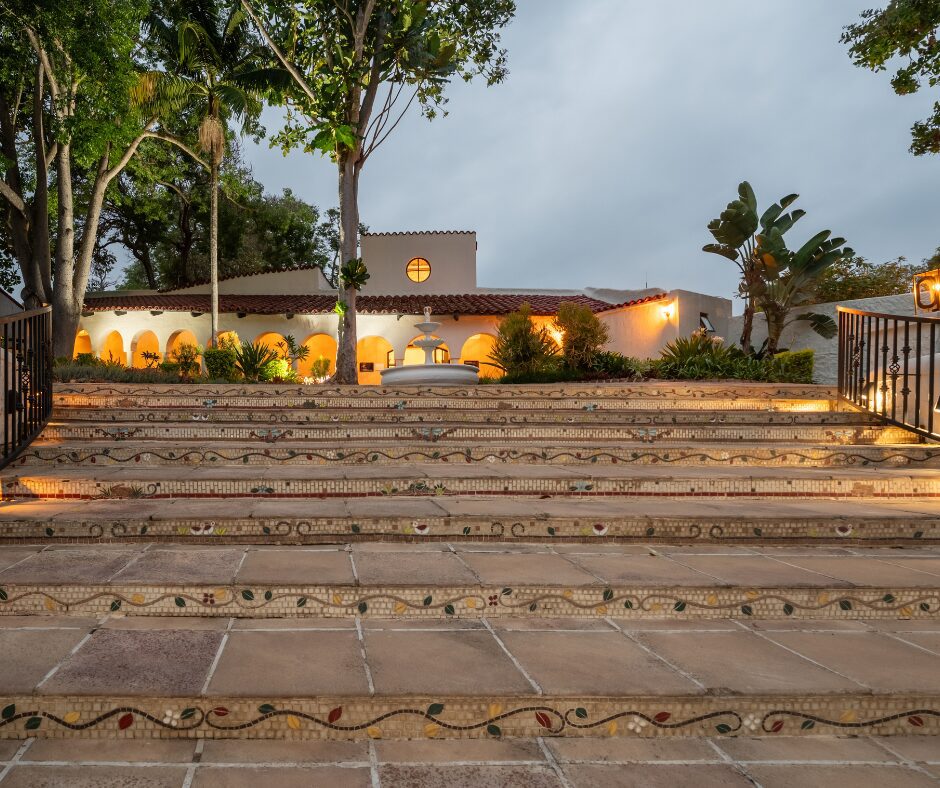
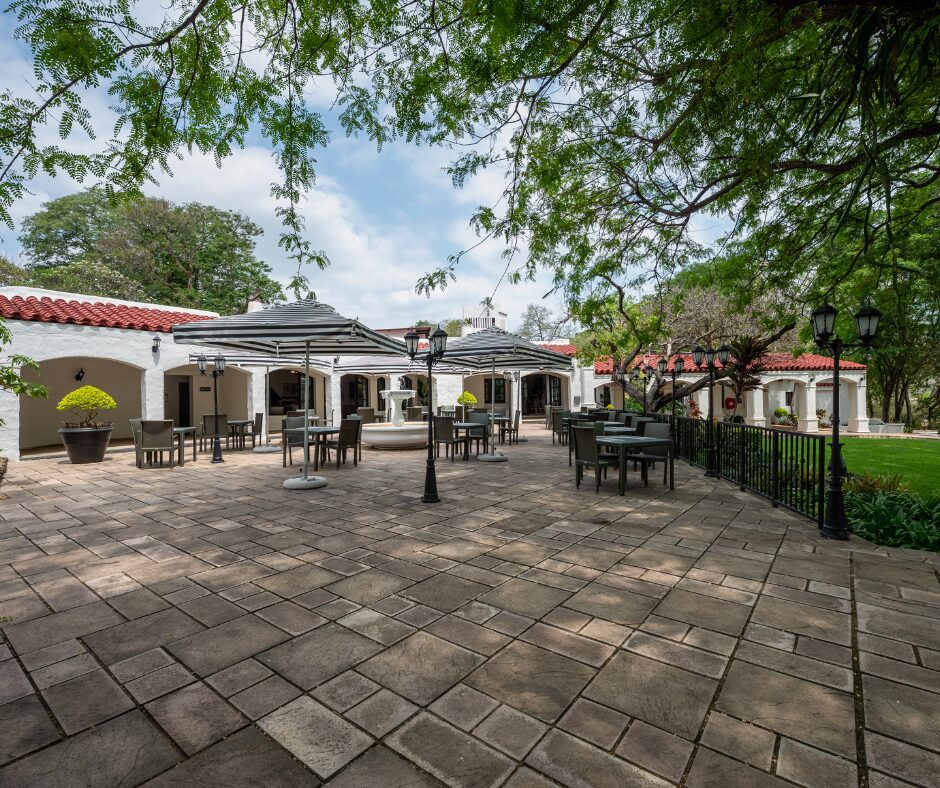
For travellers who prefer a country-estate setting and a broader Lowveld itinerary, ANEW Resort White River is another option worth considering.
Situated in White River, the resort provides a base for exploring the region, from visits to the Kruger National Park to scenic drives and attractions around Mpumalanga. It suits travellers who want to build a holiday around a mix of wildlife, sightseeing and time to recharge between outings.
White River is also well positioned for exploring parts of the Panorama Route, making it worth considering if you have several days to spend in the region.