As South Africa prepares for the 2026 National Budget, the tourism and hospitality industry is calling for a decisive shift in government spending, warning that one of the country’s fastest and most cost-effective job creators remains underfunded and underleveraged.
As South Africa prepares for the 2026 National Budget, the tourism and hospitality industry is calling for a decisive shift in government spending, warning that one of the country’s fastest and most cost-effective job creators remains underfunded and underleveraged.
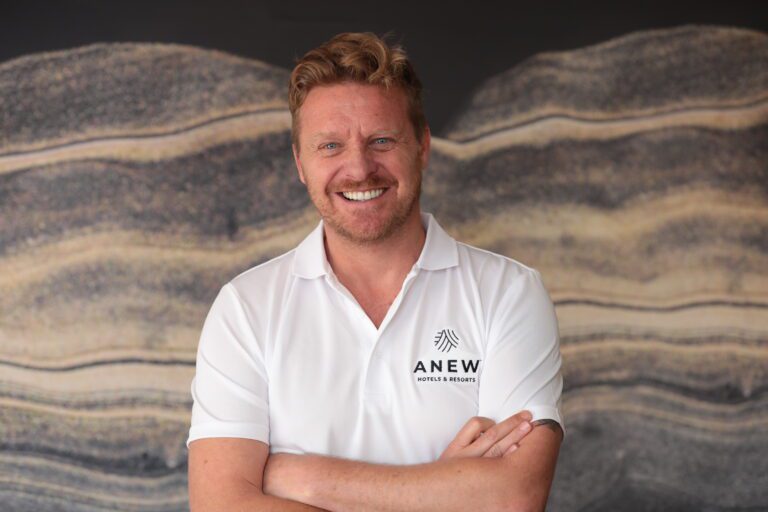
Tourism contributes close to 9% of South Africa’s GDP when direct and indirect impacts are combined, with the sector accounting for 11.3% of all jobs in the country. Yet despite its scale and speed of impact, the sector continues to receive a disproportionately small share of strategic investment, says Alan Campbell Talent & Commercial Director at ANEW Hotels & Resorts.
“Tourism is one of the industries with the greatest potential to deliver high-impact job growth quickly. With demand already strong from both local and international travellers, Budget 2026 should provide clear direction on where the government intends to invest and how those investments will facilitate employment.”
Recent Stats SA figures show that nearly 4 million travellers passed through South Africa’s borders in December 2025 alone, including 1.2 million local residents and 2.77 million foreign travellers. Among foreign arrivals, 238 561 came from overseas, 738 362 from SADC countries and 19 408 from other African countries.
Campbell points out that international arrivals are heavily concentrated in a handful of destinations, limiting tourism’s ability to drive inclusive growth across the country.
“While popular destinations like Cape Town are experiencing high levels of activity, many regions with enormous tourism potential remain underexposed. Provinces such as Limpopo, KwaZulu-Natal and the Eastern Cape have incredible tourism assets but their ability to attract visitors and create jobs is held back by infrastructure and accessibility challenges. Strategic government investment could unlock these regions and generate employment at an accelerated pace.”
He stresses that tourism growth is not just about marketing or safety budgets: “It’s about making our destinations accessible, sustainable and investment-ready. Roads, utilities, precinct development and coordinated safety measures all determine whether tourism remains concentrated or becomes a national growth engine.”
With the global demand for travel rebounding and international competition intensifying, South Africa has a window of opportunity that cannot be ignored. “Tourism already delivers measurable GDP and employment returns. With the right budget choices, it could do far more and faster than many traditional growth sectors,” Campbell says.
As seen in: Ofm.co.za